
Stall

This video explains to flight crews the stall phenomenon, how to prevent it, and how to recover from it.
Operational Use of the Weather Radar

The aim of this presentation is to highlight the differences and similarities in terms of use of the different radar systems that exist on Airbus fleet, and to describe the latest FCTM changes related to operational recommendations for the use of weather radar (all programs). The presentation will also make short focus on the new […]
Upset Recovery Training and Manual Flight

Presentation of the most recent on upset recovery training and a reminder on the Airbus message regarding the need for training manual flight. Presentation of the Airbus training recommendations that combine upset and manual flight.
CATII CATIII Operations - What is new in the FCOM-QRH

Low Visibility Operations and Autoland used to be included in the operational documentation. However, autoland may also be performed in CATI or better weather conditions. The aim of this presentation is to explain the new FCOM layout for CATII & CATIII operations that separate CATII & CATIII SOPs from autoland SOP.
Implementing the eQRH

The electronic QRH (eQRH) application is available for flight operations on A300/310, A320, A330, and A340 families. The eQRH application was evaluated by the EASA and FAA and the operational suitability was demonstrated. The objective of this presentation is to provide you with useful information and recommendations to help you to implement the eQRH within […]
Intro to Basic Flying Skills
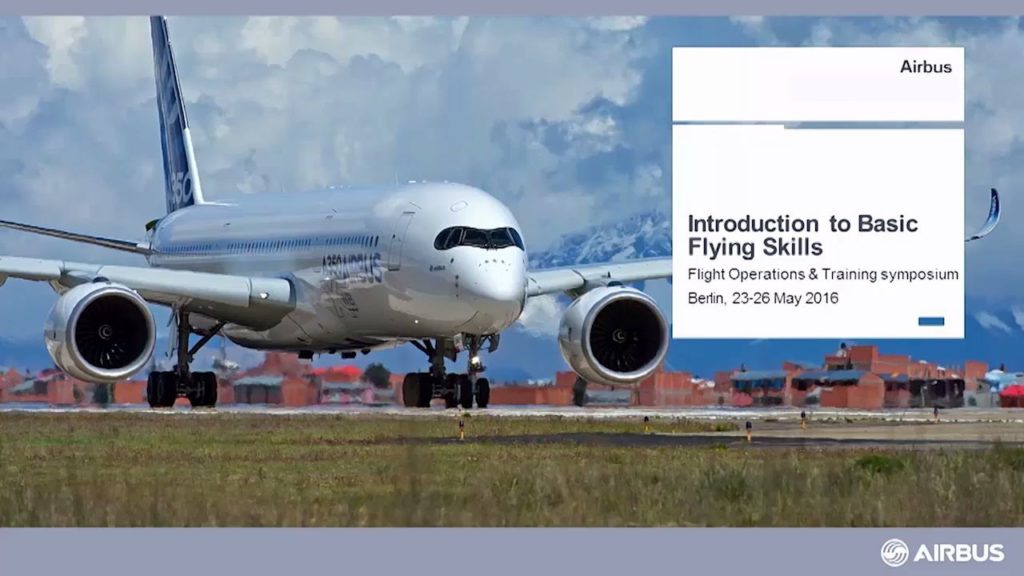
Manual flying skill erosion should be avoided. How can we reinforce the manual flying skills.
How to make a Competent Pilot

Our vision of how to make our flight training the most effective, from ab-initio up to command course.
Enhancing Landing Operations on Contaminated Runways

Introduction to upcoming features in operational documentation and avionics, to enhance operations on contaminated runways. Covering in-flight landing distance assessment, runway overrun prevention, and runway condition reporting.
Electronic QRH Going Fully Digital on A320 family A330 and A340 aircraft

The electronic QRH (eQRH) project implements the Airbus vision of the future of flight operations on A320 family, A330, and A340 aircraft. This presentation provides an update on the project scope and roadmap, and the expected benefits of the eQRH.
Different Types of Approaches

Many procedures are proposed to pilots: Precision or non-precision approaches, 2D or 3D, with Navaids or with GPS required, with different type of minima, etc. This presentation will provide an overview of all these approach types.